- Startup Tycoon
- Posts
- Software is free now. So why hasn't AI marketing had a winner yet?
Software is free now. So why hasn't AI marketing had a winner yet?

Adam Nathan
April 02, 2026
AI is on track to drop the cost of development software to nearly zero. An MVP that would have taken two years and $1M five years ago now takes two months and two people. Anyone can launch a product.
That changes the game — but not in the way you'd assume.
When building software gets cheap, software stops being the differentiator. The companies that win won't win because they coded better. They'll win because they marketed more effectively.
Marketing is now the bottleneck. And the gap between businesses that figure that out and ones that don't is going to widen fast.
So, if great marketing is the precious resource, why hasn't there been a breakout startup around agentic marketing yet?
I've been trying to build it for three years. Here's the honest answer about why it's been so hard — and why that's about to change.
The output quality gap
In AI, you can't build a high-growth company or a defensible platform without foundational models that produce great core output. The overall product is only as good as the content it generates.
The first wave of AI application companies exploded in categories that run on structured text: coding, legal research, patient documentation. The models they needed were ready early. Written language was well-represented in training data. The products could work.
Marketing is different. Most forms of marketing don't need a faster typewriter. They need creative taste. Images that feel on-brand. Videos that don't look machine-made. Copy that sounds like a specific human wrote it for a specific audience — not like it was generated from a prompt.
For most of 2023 through 2025, the models couldn't do that. And I watched tens of thousands of our customers run into the same wall.
Content was slop. Generic, flat, unmistakably machine-made. The kind of copy that technically says the right things but feels like it was written by someone who has never met a real customer.
Images and video had that AI sheen. Wrong logos. Broken fonts. That uncanny, too-perfect quality everyone could spot immediately. Customers didn't need to be told it was AI. They could feel it. And when they could feel it, they disengaged. Research backs this up — 52% of consumers report reduced engagement with content they suspect is AI-generated
Editing was nearly impossible. You couldn't fine-tune output the way you'd adjust a design. Everything required regenerating from scratch and hoping the next version was closer.
The prompting tax. To get anything usable, you had to become a prompt engineer. Most business owners aren't, and don't want to be. That's a reasonable position.
The net result: not worth the time or money. Most AI content products — including early versions of our own product, Blaze Copilot — saw high churn for exactly these reasons. I watched thousands of customers try it and walk away. I didn't blame them.
What changed
In late 2025, with Nano Banana's rollout, image and video generation crossed a threshold.
Details were right. Fonts rendered correctly. Brand elements held. The AI sheen, that quality that made every generated image look like it came from the same machine, largely disappeared from the best outputs. The content stopped looking like AI.
Look at the type of content Blaze produced in just the last week for our customers.
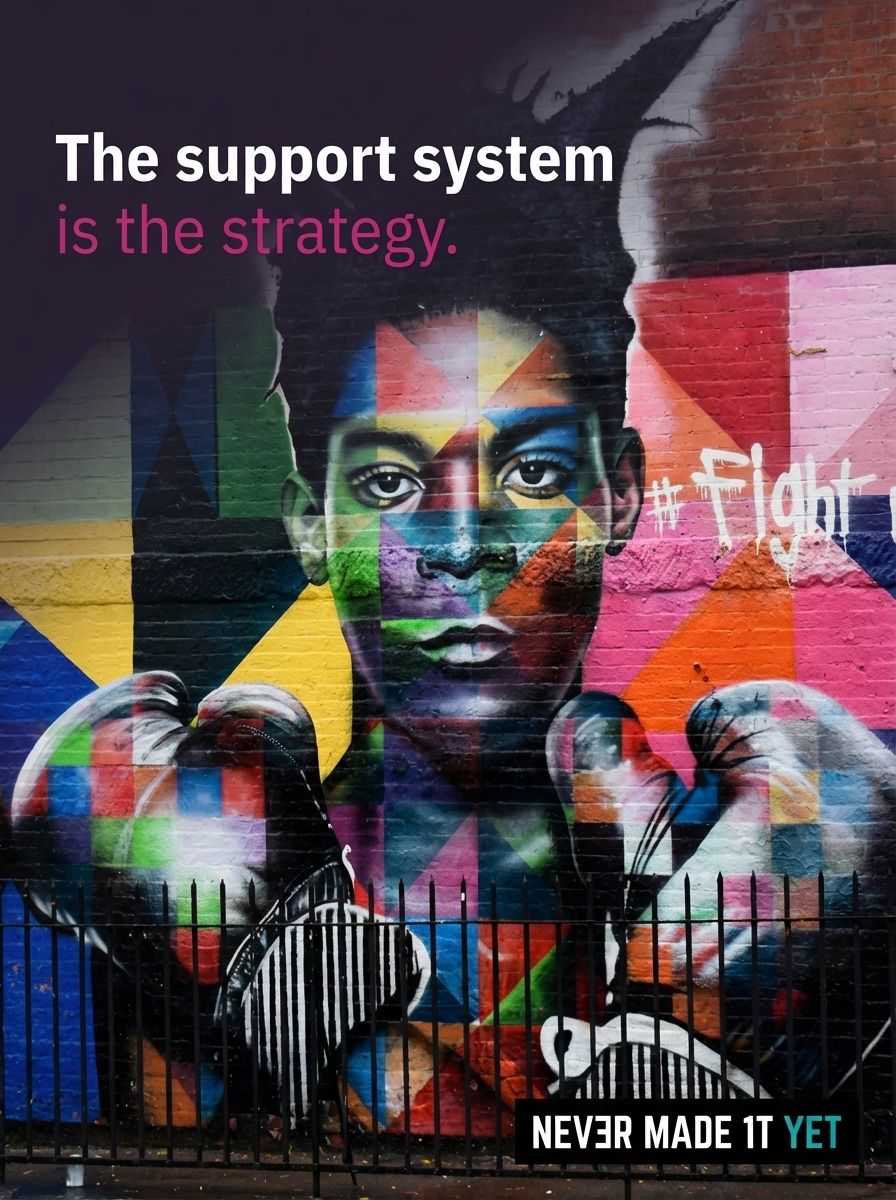
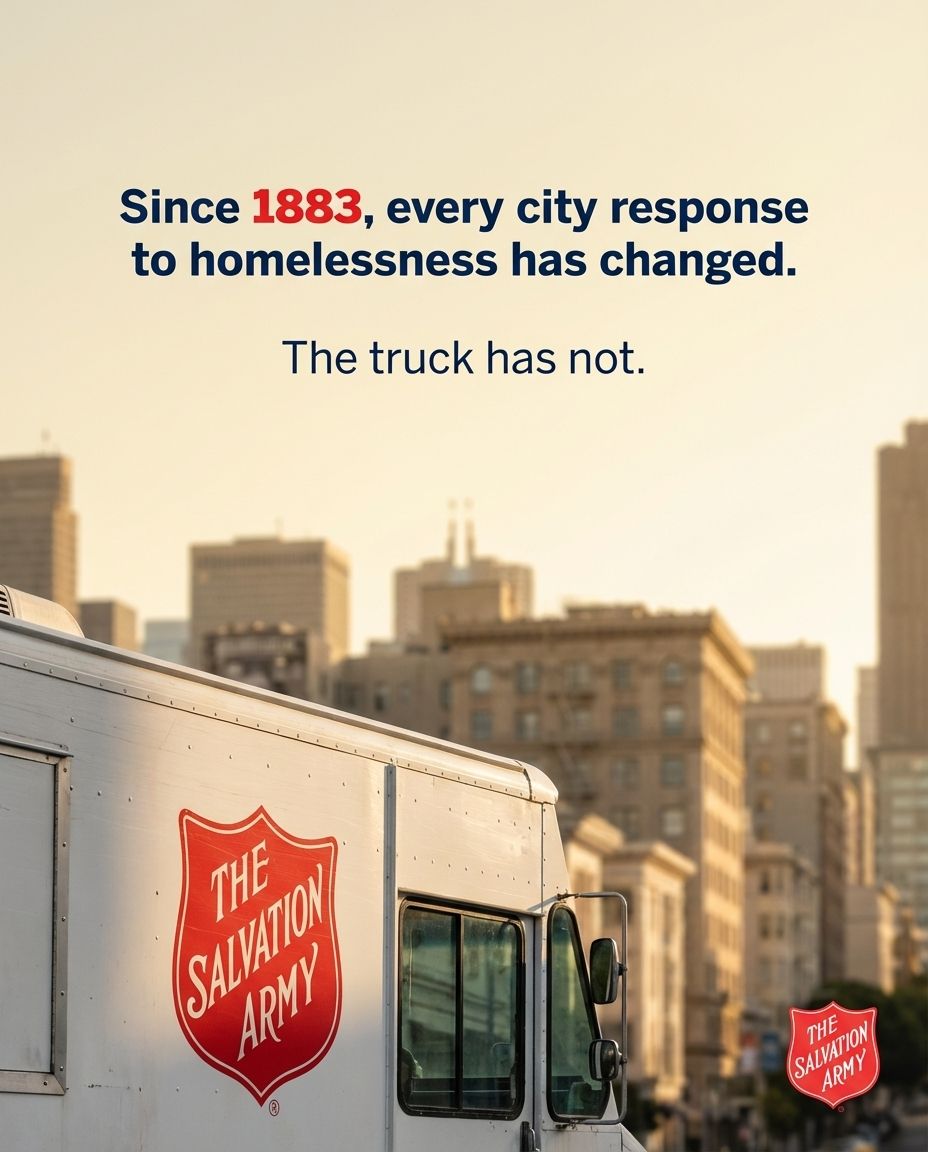

This isn't "better than it was." It's actually good. Good enough that the question of whether something came from an agency or an AI platform becomes genuinely hard to answer.
The hard problems that remain
Getting great output still isn't one-click. Three things still stand between most businesses and results.
Deep context. The model needs to know your business — your voice, your audience, your goals, your competitive positioning. Without that, even the best models produce generic output. Garbage in, garbage out hasn't been repealed.
Knowledge of best practices. Great image and video output requires understanding composition, hierarchy, platform-specific specs — what performs on Instagram versus LinkedIn versus a Meta ad. Most SMB owners don't have that knowledge. A tool can't substitute for it if it isn't built in.
Fine-grained editing. When something is 90% right, you need to be able to fix the 10% precisely. Regenerating and hoping isn't a workflow.
These are engineering and product problems. They're solvable, and they'll get easier as models improve. But they're real, and they explain why no one has won the category yet — even after the quality shift.
The explosion that's coming
When quality crosses the bar in any category, volume explodes. The thing that was scarce becomes abundant. Everyone who couldn't access it before suddenly can.
With agentic marketing tools that actually work, every business that couldn't afford an agency can now produce agency-quality content. Every founder who didn't have time to market across every channel now does. The volume of marketing content is going to increase by an order of magnitude.
That creates a new problem. More content competing for the same attention raises the stakes. Flooding every channel with mediocre AI content isn't a strategy — it's noise. The winners won't be whoever produces the most. They'll be whoever produces the best, consistently, with a system that learns what works and gets better over time.
I think the next 24 months will produce more AI-generated marketing content than the entire previous decade combined. Most of it will be ignored. The ones who figure out quality and consistency early will have an advantage that compounds.
The clock is now running
The window between "good enough" and "category winner decided" is always short.
In the legal space, Harvey grew from zero to $190M ARR and an $11B valuation in under three years — from the moment model quality crossed the threshold. The same happened with clinical documentation (Abridge), notetaking (Granola), and accounting (Fieldguide).
The quality bar in AI marketing just cleared. In 12 months, someone will own this category the way Harvey owns legal. The race is on.